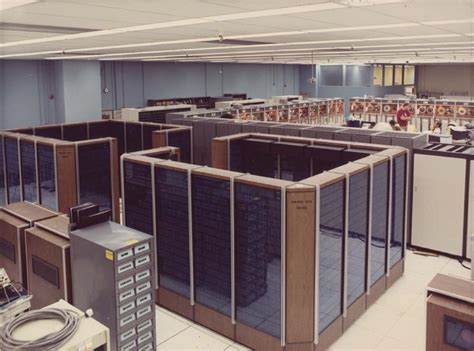
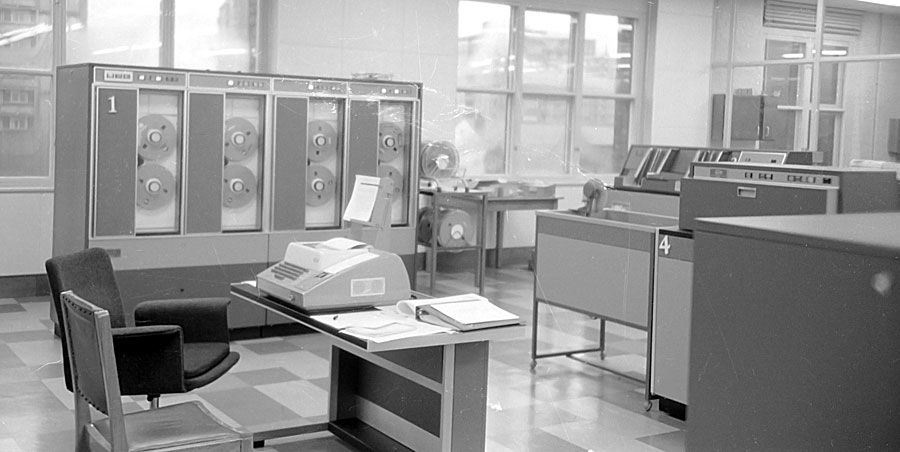
As an undergraduate I’d never encountered computers so a new world opened up when I went to America as a postgrad in 1965. In my first term in the Geography Department at Northwestern University – in a northern suburb of Chicago – my supervisor decided that I should do a computing course in the Civil Engineering Department. He obviously didn’t realise that it was intended for postgrads who already had a ‘hard science’ degree. The course concentrated on teaching postgrads to write programmes in machine language – Compass – for a CDC 3400 mainframe computer (not an IBM machine in sight). I’d never heard of Fortran before so didn’t know that I was writing something that Fortran compiled into a form – in this case Compass – which the computer could use.
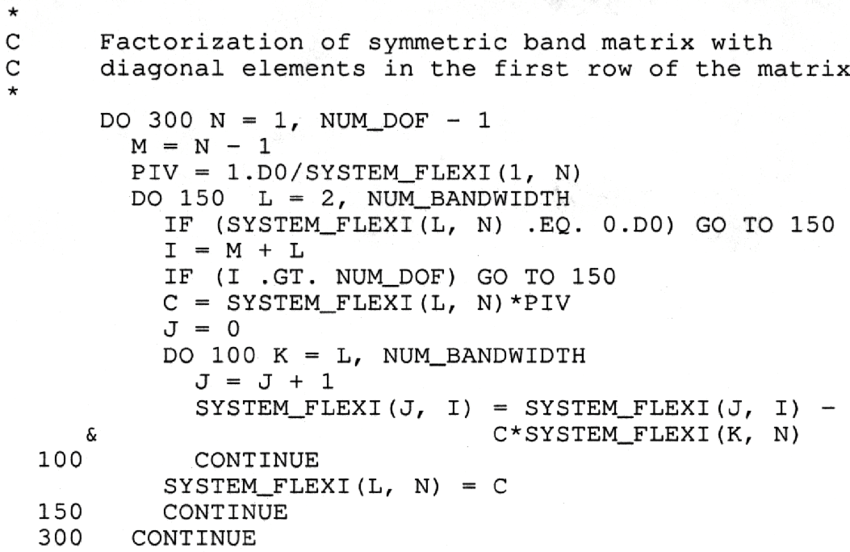
My first test: writing a program to find the maximum value of a set of numbers. However, reading in the numbers and printing out the results had to be done using Fortran, so I learned things ‘in the right order’ – the computer would ‘understand’ me straightaway. Although the other postgrads had already learned to use Fortran they then had ‘to progress’ to Compass.
I bought an excellent teach yourself book on Fortran and was introduced to the world of ‘READ’, ‘DIMENSION’, ‘DO’ loop and ‘GO TO’ statements! Just as important, Margaret, the wife of one of the other Geography postgrads from Grimsby, was a computer whizz kid.
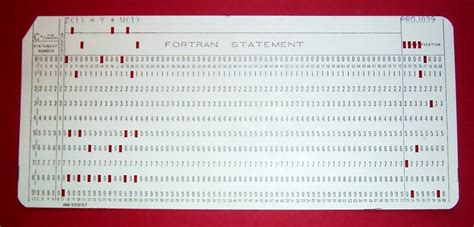
Like most postgrads at the time I had to prepare my own punched cards, a tedious process as you could enter up to 80 characters per card. And one typing error meant redoing the whole card. The Campus Computing Centre was a 10-minute walk away. I’d hand the deck of cards in and hope they were all in the right order and that there wasn’t a single typing error. Otherwise, when collecting results several hours later or the next day I just found a terse message – ‘input error 23 ’ or pure gobbledegook because I’d got the order of symbols wrong – as Margaret put it – the machine is trying ‘to obey your data’. Still, it was very satisfying to find that my programme (eventually) worked and gave the right answer. It seems amazing to me now what results you got from a mainframe machine with a memory capacity of just 196 kilobytes – about 20% of a Megabyte.
After that, I never looked back, progressing to working with two American postgrads to write a programme simulating average queue lengths of traffic at a busy crossroads. It particularly makes me nostalgic to remember working with these two other guys – incredibly friendly from the outset, almost as if they’d known you all their lives, full of ‘get up and go’, not worried about seeming over-enthusiastic. Not at all like the much more reserved British – not better, but very different.
 … and I am talking about myself here!